Green Initiatives: How E-Waste Recycling Services Are Protecting Our Planet
E-waste poses significant threats to the environment, as disposed electronics frequently harbor hazardous substances. Such dangerous compounds can pollute soil and water supplies, leading to broader ecological damage. E-waste recycling initiatives provide a practical answer. They serve the dual purpose of reclaiming precious materials and reducing contamination. Understanding how these services operate and their impact on communities is essential. The journey towards effective e-waste management raises critical questions about individual responsibility and collective action. What measures can be pursued from this point onward?
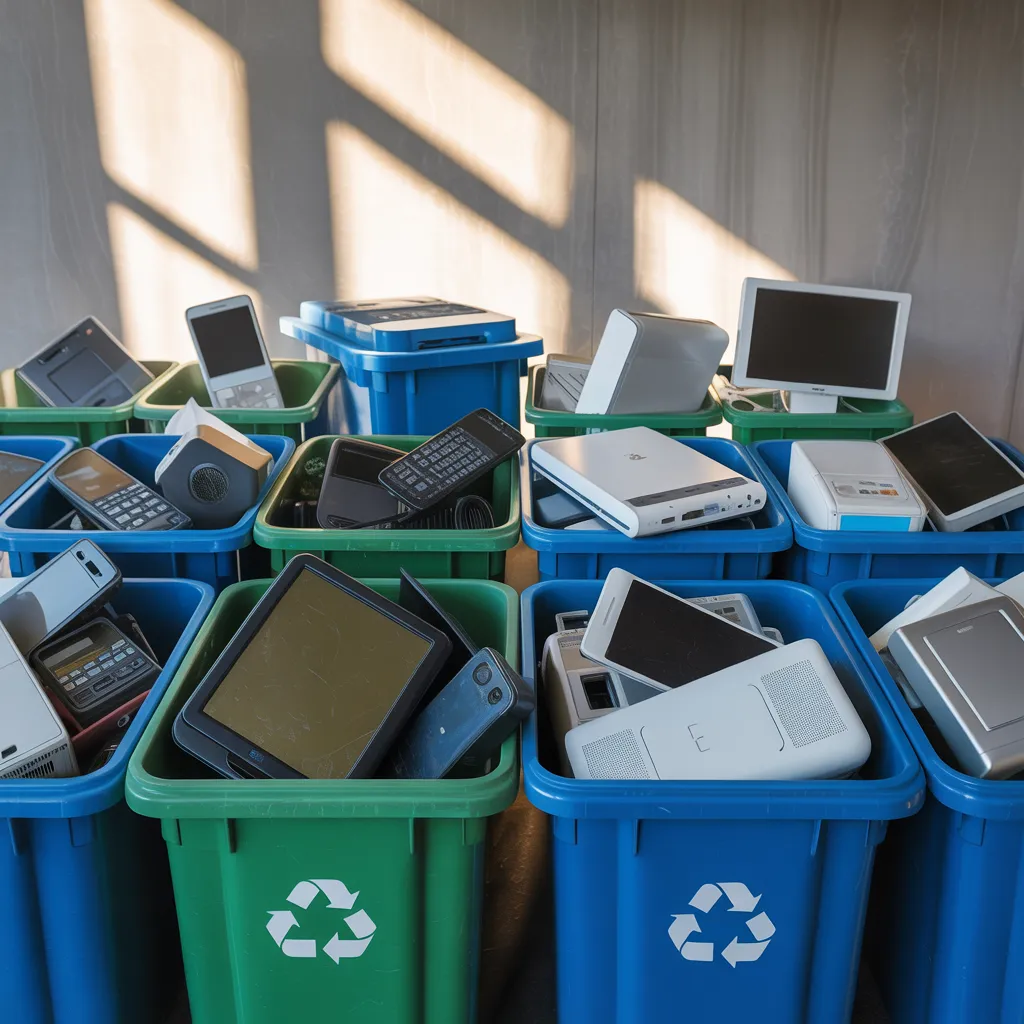
The Reasons E-Waste Is Damaging to the Planet
Although technology enhances modern life, e-waste poses serious threats to the environment. Disposed electronic equipment, often containing dangerous compounds like lead, mercury, and cadmium, can leach toxins into groundwater and soil, posing risks to both wildlife and human well-being. The rapid pace of technological advancement results in increased consumer turnover of electronics, exacerbating the accumulation of electronic waste.
Landfills, already burdened with waste, struggle to accommodate the growing volumes of discarded gadgets. Incineration, a common waste management technique, emits dangerous pollutants into the environment, degrading atmospheric conditions. Moreover, poor recycling procedures can cause e-waste to be sent to developing regions, where employees may disassemble electronics without sufficient safety precautions, leaving them vulnerable to harmful substances. This pattern of negligence and mismanagement highlights the critical demand for eco-friendly recycling alternatives that can reduce the damaging impact of electronic waste on the environment.
Understanding E-Waste and Its Significance
E-waste, or electronic waste, encompasses unwanted electronic equipment such as televisions, computers, and smartphones that have reached the end of their useful life. This growing category of waste is significant due to its rapid accumulation, driven by technological advancements and consumer trends. As more devices become obsolete, the ecological consequences become more pronounced, with toxic materials such as lead, mercury, and cadmium threatening both ecosystems and public health.
The significance of tackling e-waste extends beyond minimizing these risks to recognizing the valuable resources it holds. Critical metals and rare earth components can be reclaimed and recycled, decreasing the reliance on mining and protecting natural resources. With a thorough understanding of e-waste and its impact, people and organizations alike can make educated decisions about disposal and recycling, helping to build a more sustainable world. Responsible management of e-waste plays a key role in supporting a circular economy and championing environmental stewardship.
How the E-Waste Recycling Process Works
The recycling of e-waste encompasses a systematic process aimed at reclaiming useful resources while limiting ecological damage. Initially, e-waste is collected and transported to dedicated processing centers. Once there, the electronics are carefully categorized to isolate dangerous parts from recoverable materials.
Subsequently, technicians deconstruct Read the post the items, recovering metals, plastics, and glass. This phase is essential, as it makes possible the recovery of high-value metals like silver, gold, and copper, which are repurposed in new electronics.
Afterward, the separated materials are refined using sophisticated techniques, such as chemical treatments and shredding, to prepare them for further use.
Ultimately, the remaining hazardous waste is handled with responsibility, complying with eco-friendly standards. This comprehensive process not only conserves resources but also minimizes the hazards linked to unsafe e-waste handling, ensuring a more sustainable future for the consumption of electronics.
The Benefits of E-Waste Recycling for You and Your Community
Although it often goes unnoticed, the benefits of e-waste recycling go far beyond individual benefit and actively shape entire communities. By carefully processing electronic waste, individuals help foster a safer environment, reducing toxic components that can contaminate soil and water. This proactive approach helps preserve local ecosystems and advances public health.
In addition, e-waste recycling promotes job creation within communities. Community recycling operations commonly require workers for numerous tasks, spanning collection through processing, consequently creating meaningful employment for local residents. This not only strengthens the regional economy but also promotes community participation in sustainable initiatives.
Furthermore, familiarity with e-waste recycling can lead to learning opportunities, encouraging residents to make environmentally conscious decisions. By participating in e-waste recycling programs, individuals nurture a culture of sustainability, prompting others to join the movement. All things considered, the shared impact of these actions can result in a more resilient and environmentally responsible community.
Tips for Choosing an E-Waste Recycling Service
Selecting the best electronic waste recycling provider is crucial for making sure that electronic waste is processed with responsibility and sustainability. To begin, consumers should check the provider's accreditations, such as e-Stewards or R2, which indicate compliance with industry standards for safe recycling practices. It is equally important to evaluate the company's reputation by reading customer reviews and seeking referrals from reliable sources.
Furthermore, clarity in the recycling process is essential. A dependable service should offer detailed insights about how e-waste is processed and how the materials are utilized. Furthermore, considering the scope of services provided can prove valuable; certain providers may offer collection services or present rewards for recycling.
Furthermore, learning about regional rules concerning e-waste disposal can help inform the choice of disposal method. By prioritizing these factors, consumers can play a role in effective e-waste management while supporting environmentally responsible practices.
How You Can Get Involved in E-Waste Recycling?
Participating in e-waste recycling can start at the local level, where recycling centers regularly supply essential services for responsible disposal. Additionally, taking part in community awareness campaigns can amplify efforts to raise awareness about the importance of proper e-waste handling. Such efforts not only encourage sustainable practices but also cultivate a collective sense of stewardship of the environment.
Local Recycling Centers
Numerous community recycling facilities perform an important function in e-waste recycling, supplying communities with reliable ways to handle electronic waste in a responsible manner. These hubs welcome a selection of electronic devices, including used computers, handheld devices, and televisions, making certain that hazardous materials are managed safely. Most stations have trained staff who can guide individuals on proper disposal methods, emphasizing the importance of recycling over landfilling. Moreover, various hubs coordinate organized drop-off opportunities or appointed collection periods, enabling residents to engage without difficulty. By utilizing these local services, residents support a circular economy, lowering environmental harm and encouraging sustainable habits. Engaging with these centers encourages communities to fight e-waste pollution decisively.
Community Awareness Campaigns
Local organizations, schools, and businesses can work together to organize events that support e-waste collection drives. Community members can serve a critical function in promoting knowledge, handing out educational content, and interacting with the surrounding community. Through these collective efforts, residents become more informed and motivated to recycle their electronic waste, thereby helping to build a greener and more sustainable tomorrow.
Answers to Your Most Common Questions
Which Types of Electronics Are Recyclable?
Numerous electronics can be recycled, including smartphones, computers, laptops, televisions, printers, and gaming consoles. Additionally, peripherals such as mice, keyboards, and batteries are equally appropriate for recycling, supporting sustainable environmental practices.
Are There Any Costs Associated With E-Waste Recycling?
Yes, e-waste recycling can include costs, based on the provider. Certain providers impose charges for gathering or treatment, while others offer free services, typically funded by the resale of recovered materials.
What Are the Benefits of E-Waste Recycling for Businesses?
Companies can take advantage of e-waste recycling by lowering disposal expenses, enhancing their environmental image, meeting compliance standards, recovering valuable materials, and potentially generating revenue through resale, ultimately contributing to a more sustainable operational strategy.
What Occurs with Data on Recycled Devices?
Information from repurposed equipment is frequently completely removed or obliterated during processing. This ensures sensitive information remains secure, stopping improper access while allowing resources to be repurposed safely and responsibly across new manufacturing processes.
Are Broken Electronics Eligible for Recycling?
Absolutely, broken electronics are able to be recycled. A wide range of recycling centers accept damaged devices, providing responsible disposal and extraction of recoverable materials. It helps lower the environmental footprint while promoting eco-friendly recycling methods to manage electrical waste responsibly.